You wake up feeling rested, glance at your sleep app, and find a low score waiting for you. That mismatch is a good reminder: a tracker can offer clues about your routine, but it cannot tell the whole story of how you feel.
Look for patterns, not perfection
Wearables estimate sleep using signals such as movement and heart rate, and different devices may present those estimates differently. Treat the numbers as a rough record to compare over time, not a precise account of every stage of sleep. A few nights of data are rarely enough to make a meaningful judgment about your habits.
Choose a tracker you will use
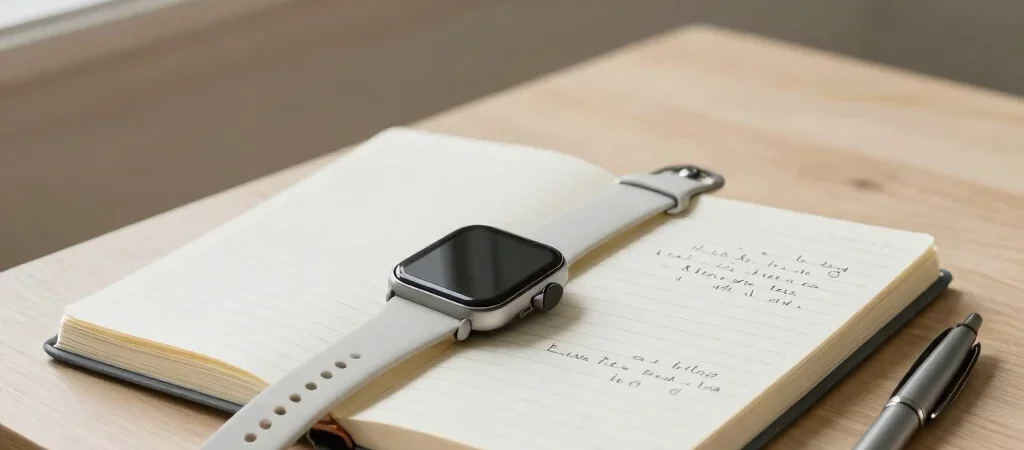
Compare comfort, battery life, app readability, and whether you want a wrist device at all. A simple sleep diary can be a better fit if wearing something overnight distracts you; jotting down bedtime, wake time, and how you felt takes little equipment. The useful option is the one that gives you information without making bedtime feel like a performance review.
Keep the score in perspective
If tracking makes you anxious or pushes you to chase a perfect score, take a break and see whether your nights feel better without it. Persistent sleep concerns are worth discussing with a qualified healthcare professional rather than trying to diagnose from an app. Some links in our product coverage may be affiliate links; Health Zone may earn a commission if you buy through them, at no extra cost to you.